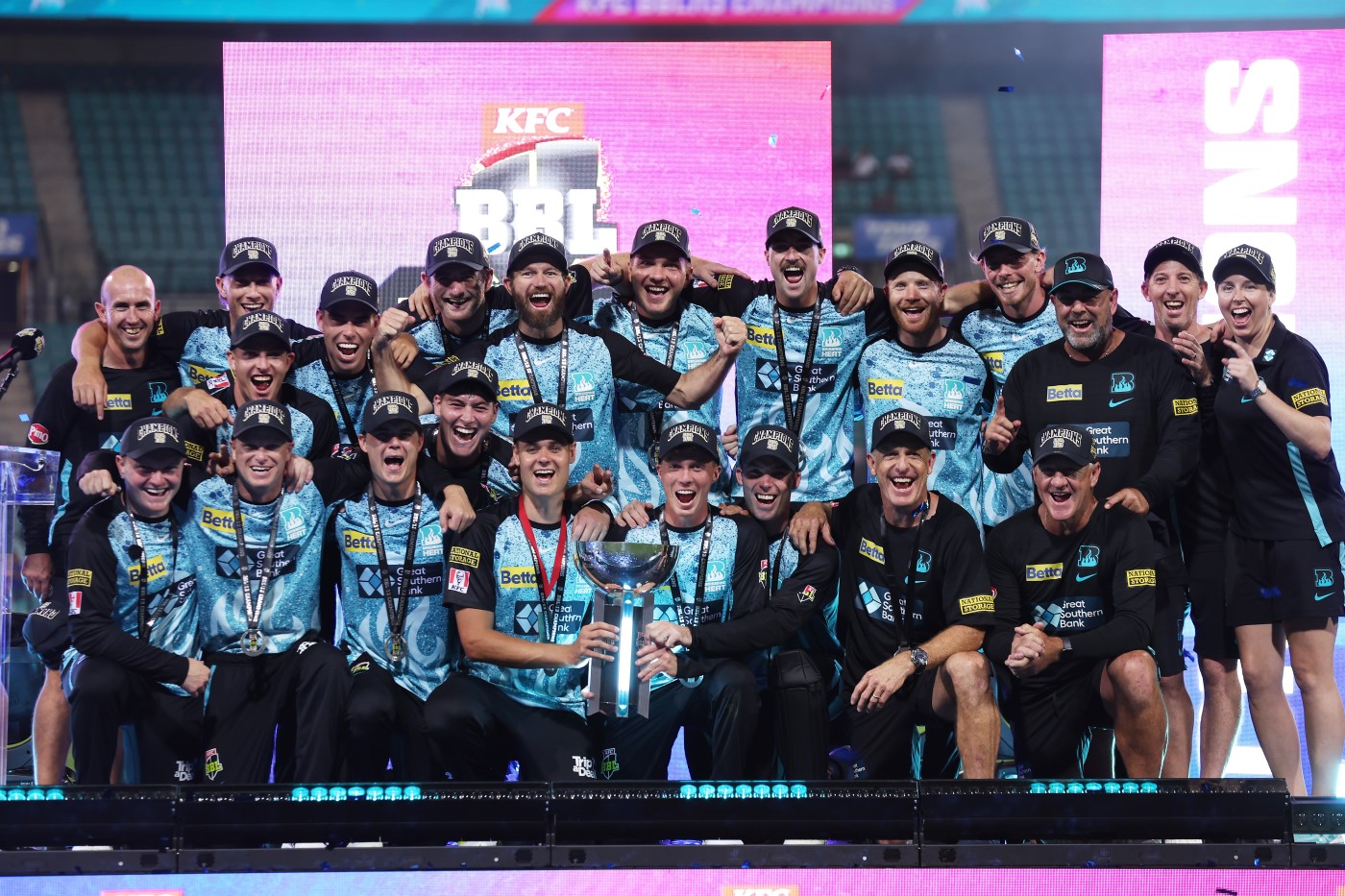
BBL BOMBSHELL: Queensland Rejects Privatisation! Seismic Shift Ahead of IPL 2026?
BREAKING NEWS from the heart of Australian cricket! Just when the cricketing world thought it had a handle on the future of franchise leagues, a monumental decision out of Queensland has sent shockwaves, leaving Cricket Australia's ambitious Big Bash League (BBL) privatisation plans hanging by a thread. This isn't just a domestic rumble; it's a tremor that could fundamentally alter strategies for the upcoming Indian Premier League (IPL) 2026 season, impacting everything from player auctions to franchise scouting!
The latest development sees Queensland Cricket emphatically joining New South Wales in rejecting Cricket Australia's proposal to privatise the BBL. This dual refusal means CA now has the backing of only four states, who collectively control five BBL clubs, willing to proceed to the next crucial phase of privatisation. It's a significant blow, stalling what many saw as a vital step to inject fresh capital and competitive dynamism into Australia's premier T20 competition. The dream of a fully private, globally competitive BBL, mirroring the financial muscle of the IPL, now appears a distant boundary shot, rather than a certain six.
IPL 2026: The Million-Dollar Question for Franchises and Stars!
For the powerhouse franchises of the Indian Premier League, this BBL deadlock isn't just interesting news; it’s a potential game-changer with the 2026 mega-auction looming. The failure of BBL privatisation to gain unanimous support within Australia creates a fascinating ripple effect:
Firstly, the financial landscape for Australian cricketers at home remains largely unchanged. Had privatisation gone ahead, it was widely anticipated that salaries within the BBL would surge, creating an even more competitive market for top-tier talent and potentially making it harder for Australian stars to commit lengthy periods to overseas leagues like the IPL. With the plan stalled, the IPL's financial allure becomes even more dominant. Expect a renewed, intense focus from IPL franchises on securing the services of elite Australian players.
Secondly, for player agents and the stars themselves, the calculus has shifted. Australian players, already some of the most sought-after commodities in T20 cricket, might now be even more inclined to prioritize lucrative IPL contracts. This could mean greater availability, or conversely, drive up their auction price even further as teams battle fiercely for premium Aussie talent who aren't tied down by a surging, privatised home league. Franchises like Mumbai Indians, Chennai Super Kings, and Royal Challengers Bangalore, known for their strategic long-term investments, will undoubtedly be watching this space with hawk-like precision, strategizing how to best leverage this development in the 2026 auction.
The rejected privatisation means the BBL's evolution is on hold, making the IPL's position as the undisputed king of T20 cricket even stronger. As the dust settles in Australia, the global T20 spotlight inevitably swings back to India, where the 2026 season promises to be an even more electrifying spectacle, potentially fueled by a fresh influx of Australian cricketing brilliance.