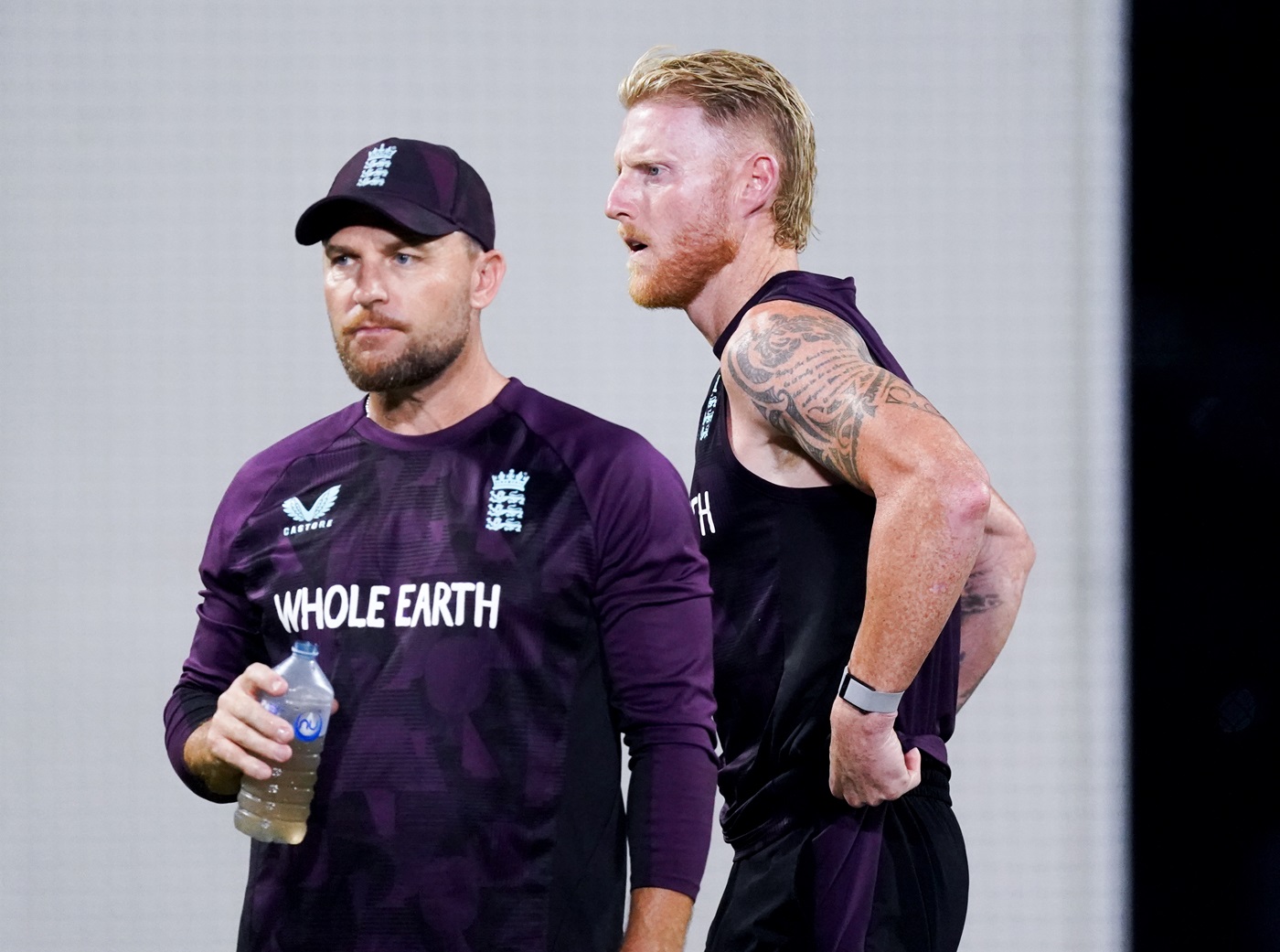
No Change Is All Change As ECB Opt For The Rinse-And-Repeat Cycle
The murmurs turned to whispers, the whispers to shouts, and then, silence. A deafening, almost shocking silence as the England and Wales Cricket Board (ECB) delivered their verdict on the future of the beleaguered Test team. The expected seismic shift? The dramatic overhaul everyone anticipated? It never came. Instead, in a move that has sent shockwaves through the cricketing world, the ECB has doubled down, backing the incumbents to navigate England's Test fortunes. It's a gamble of monumental proportions, a decision that feels less like a strategic masterstroke and more like a high-stakes throw of the dice, with implications stretching far beyond the red-ball arena – right into the heart of the cash-rich Indian Premier League (IPL) 2026 season.
The official word is clear: management believes in the current setup. They've opted for continuity, a "rinse-and-repeat" cycle, hoping that familiarity will breed success rather than further stagnation. The details are sparse, but the message is unambiguous: the captain, the coach, and the core leadership group have been given a stay of execution, a final opportunity to turn the tide. The famous adage, "proof will be in the pudding," has never felt more ominous. For fans yearning for a fresh direction, this feels like Groundhog Day. For the players involved, it's an intense pressure cooker, a do-or-die mandate where every single Test match will be scrutinized with unprecedented intensity.
IPL 2026: The Domino Effect For Franchises And Auctions
This "business as usual" approach by the ECB, however, is anything but for the global T20 landscape, particularly for the upcoming IPL 2026 season. The moment this news broke, general managers and strategists across the ten IPL franchises would have been furiously recalibrating their draft boards and auction strategies. The implications are enormous, creating a ripple effect that will redefine player valuations and team compositions.
Here’s why: The ECB's staunch commitment to their Test incumbents means that England's multi-format superstars – the very players who command astronomical sums at the IPL auction – are now inextricably tied to an incredibly demanding and high-pressure Test schedule. Think of the Ben Stokes, the Joe Roots, the Jonny Bairstows of the world. While their talent is undeniable, their availability for a full IPL season now comes under a much thicker cloud of doubt. Franchises thrive on certainty, on knowing their marquee overseas picks will be present from the first ball to the last. If these key English players are now under immense pressure to deliver Test results, potentially facing mandatory rest periods, or even mid-season call-ups, their attractiveness to IPL teams diminishes significantly.
This decision will undoubtedly trigger a strategic pivot for IPL franchises. We could see a massive surge in demand and price for non-English overseas all-rounders, pace bowlers, and top-order batsmen who offer guaranteed full availability. Franchises might shy away from investing heavily in English multi-format players, instead looking towards nations with less congested schedules or players who have already specialized in white-ball cricket. The auction dynamics for IPL 2026 could be fundamentally altered, with English players' stock potentially plummeting due to perceived availability risks, regardless of their undeniable prowess.
Conversely, this could also be a boon for emerging English white-ball specialists. If Test spots are now seen as locked or the pressure too intense, some promising talents might choose to focus exclusively on the shorter formats, making them fully available and incredibly tempting picks for IPL teams looking for a consistent impact. The irony of the ECB's "no change" decision is that it promises a seismic shift in the strategies of the world's most lucrative cricket league. The heat is on England's Test incumbents, but the real fireworks might just be saved for the IPL 2026 auction room.